

Deep Brain Stimulation (DBS)
Life with a movement disorder can be challenging, particularly when your symptoms are not well controlled with medication. Deep brain stimulation (DBS) may offer another option. Sometimes described as a pacemaker for the brain, DBS delivers precise electrical impulses to targeted areas to reduce the signals that trigger your symptoms. At Cleveland Clinic London, our neurosurgeons use DBS to treat people with Parkinson’s disease, tremor, dystonia and chronic pain. Our aim is to help you regain control and make everyday life more manageable.
Why Choose Us for Deep Brain Stimulation?

Trusted experts:
Our internationally recognised consultant neurologists and neurosurgeons have extensive experience in managing complex neurological conditions, including movement disorders. Meet our team.

Collaborative care:
To ensure you receive the most comprehensive treatment, our neurologists and neurosurgeons work alongside neuropsychiatrists and neuropsychologists. Depending on your needs, you may also see our speech, occupational and physiotherapists.

Personalised care:
Movement disorders affect different people in unique ways. We take time to understand your symptoms and how they impact your life. We will answer your questions about DBS and carefully explain how the procedure works, as well as the benefits, risks and potential side effects. We want you to feel comfortable if you decide to go forward with the procedure.
Conditions We Treat With Deep Brain Stimulation
Our Cleveland Clinic London neurology team can use deep brain stimulation to help manage symptoms of:
- Dystonia
- Tremor (essential, dystonic and post-traumatic)
- Parkinson’s disease
- Chronic pain
It is important to understand that DBS does not eliminate your underlying condition or make symptoms disappear completely. But it can help reduce symptoms and make it easier to carry out daily activities. In some cases, it may also allow you to take lower doses of medication.
Your device is managed periodically by a neurologist or a DBS nurse who adjust your settings to help manage your symptoms, and can removed if the treatment does not work well for you or causes side effects you cannot tolerate.
What To Expect at Your First Appointment
Before recommending deep brain stimulation, our specialists carry out a detailed assessment to determine whether the treatment is right for you. You will meet members of our team, including neurologists who are experts in movement disorders, neuropsychiatrists and neuropsychologists.
We will explain the benefits and also the potential risks and side effects of DBS. Then, we will evaluate how your symptoms affect your movement and daily activities, sometimes using video recordings to analyse your movements in detail.
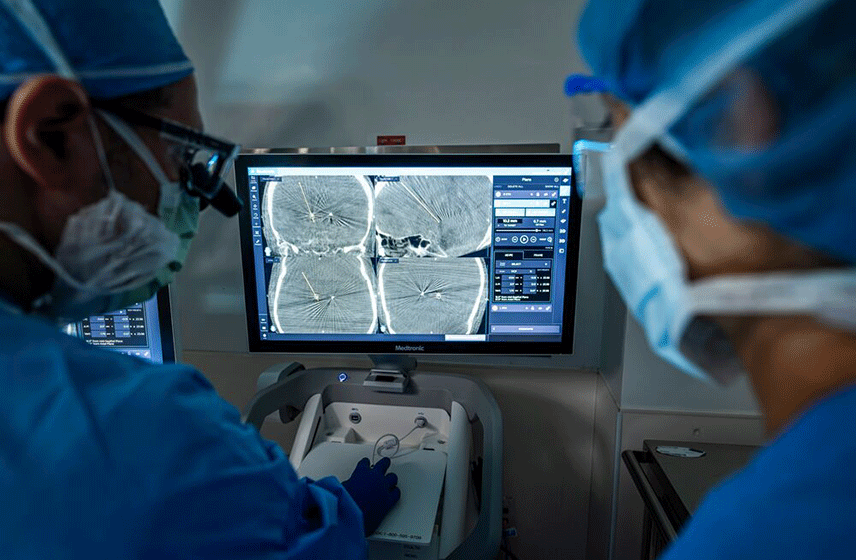
Imaging tests such as MRI or CT scans help us identify the precise areas of your brain involved.
Using this information, our team develops a personalised DBS treatment plan tailored to your needs. We carry out the procedure in carefully planned stages to achieve the best possible results.
Preparing for DBS
There are a few things to keep in mind as you prepare for this procedure:
- Your consultant may ask you to stop taking some medications, such as blood thinners.
- You will receive instructions on how to bathe and prepare your skin. We do not shave your head before surgery.
- Since you will be given general anaesthesia for this surgery, you will need to refrain from eating solid food at least six hours before the procedure and drinking fluids for at least two hours.
Consultants Who Provides Deep Brain Stimulation
Locations
Our consultants see patients in modern and technologically advanced facilities in the heart of London.Having DBS at Cleveland Clinic London
Deep brain stimulation (DBS) works by sending targeted electrical impulses to the areas of your brain responsible for movement or affected by your neurological condition.
The surgery
To do this, our neurosurgeons first place your head in a special frame to help keep you still. Then, they carefully place thin leads with electrodes into these specific regions, helping to interrupt the signals that trigger your symptoms.
The procedure takes around three hours and is designed to be as comfortable as possible. You will be under general anaesthesia for the whole surgery, and most people experience minimal discomfort.
Placing the device
Our neurosurgeons then position a small, battery-powered device called an implantable pulse generator (IPG) under the skin of your upper chest. Extension wires run discreetly from the IPG through your neck and behind your ear, connecting it to the leads in your brain.
After surgery
Recovery after deep brain stimulation is usually straightforward. You will typically stay in hospital for two nights before returning home, and you can often resume light activities within a few days. If you are flying from abroad, you can usually fly home five days later.
After your procedure, you will attend follow-up appointments with a neurologist skilled in DBS programming. During these visits, your implantable pulse generator can be adjusted, so the stimulation is tailored to help manage your symptoms. It usually takes three to four sessions to adjust the device. Your consultant will also adjust your medication.
Paying for Deep Brain Stimulation at Cleveland Clinic London
We offer two convenient ways to pay for DBS. You may opt to self-pay for treatment or use private medical insurance. If you plan to use insurance, we recommend contacting your insurer in advance to confirm that deep brain stimulation is covered under your policy. If you have any questions about the cost of treatment or your payment options, our team will be happy to assist and guide you through the process.
What’s Next?
Choosing treatment for a movement disorder is an important decision. At Cleveland Clinic London, our team will work closely with you to determine whether deep brain stimulation is a suitable option. We combine expertise in complex neurological conditions with a personalised approach, helping you manage your symptoms and guiding you through every stage of DBS — from assessment and treatment to recovery and follow-up care.

Appointments
Ready to see us? We’re ready for you and look forward to the opportunity to assist with your needs. We’re available to take your call Monday through Friday, 7:30 a.m. to 8 p.m. and Saturday, 7:30 a.m. to 3 p.m. You’re also welcome to request an appointment online.

Self-Pay
We offer convenient self-pay services. But what does that mean? With this option, you’ll benefit from transparent pricing, access to unparalleled care, and the expertise of our consultants.

Private Insurance
Need help using your private insurance? We make it easy to get your referral, authorisation and make sure everything’s covered so you can come into your appointment with one less thing to worry about.
